
Shop wheel balancers and wheel balancer machines for tire shops, auto repair shops, dealerships and home garages. Our computerized wheel balancers measure static and dynamic imbalance and show you exactly where to place weights, with options from compact digital balancers to 2D and 3D models with laser weight placement, automatic data entry and motorized spin. We also carry heavy-duty truck wheel balancers and motorcycle balancers from Atlas, Katool, Triumph, Tuxedo, Titan and Daytona.
Pair your balancer with a tire changer, or get both together in a tire changer and wheel balancer combo. Add cones, adapters and weights from our wheel service accessories. Financing is available through Approve and Shop Pay. Outfitting a commercial shop, dealership or fleet with multiple machines? Request a commercial quote.


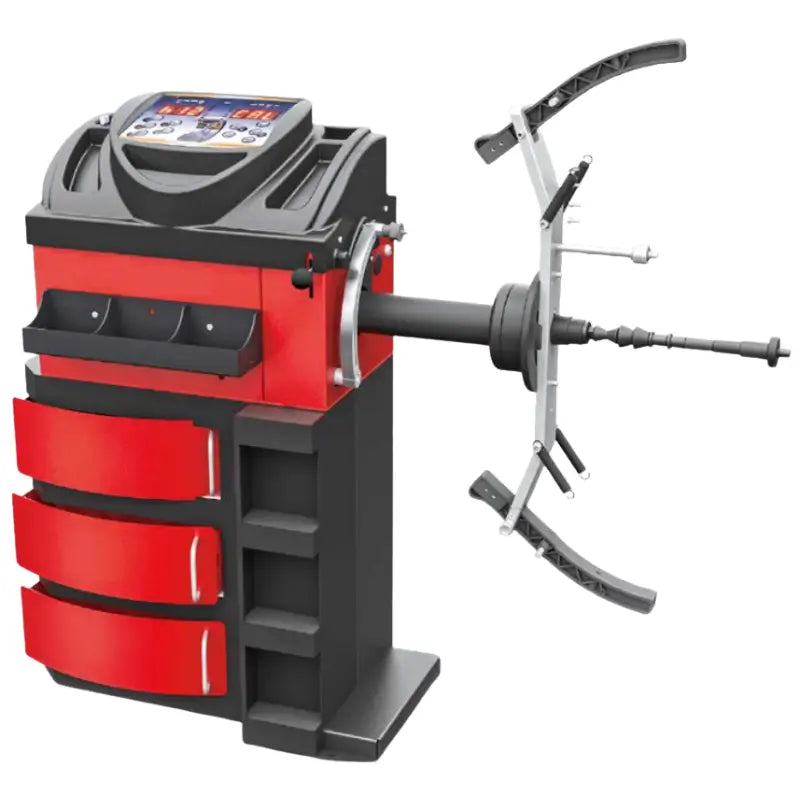
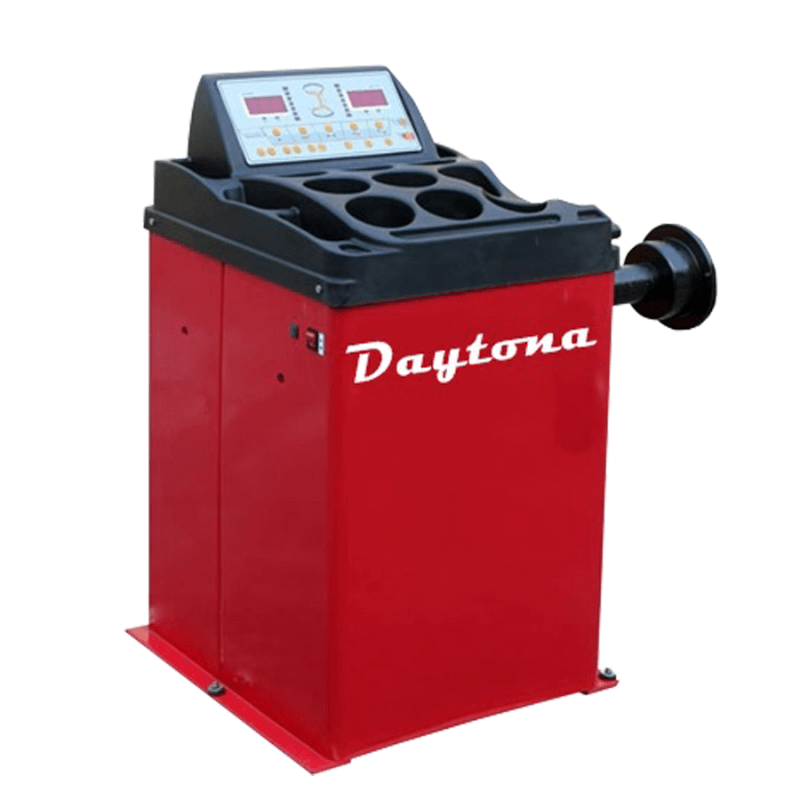
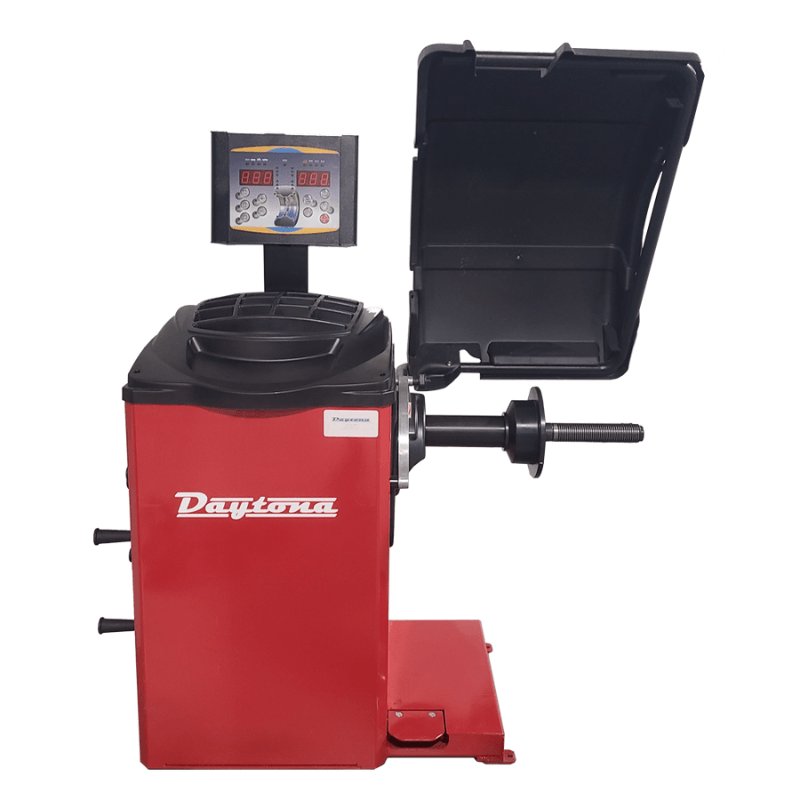
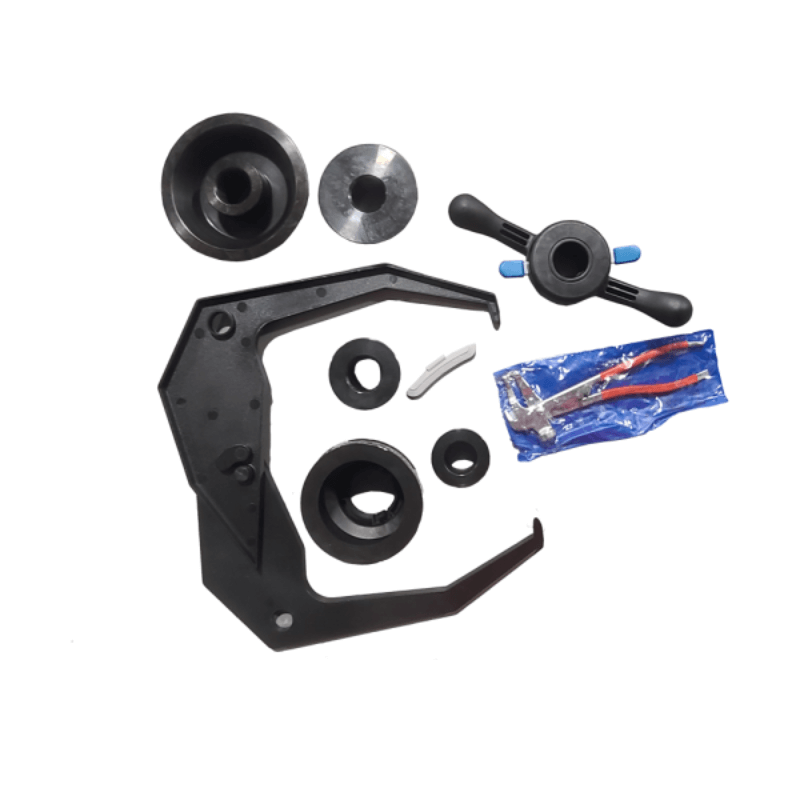
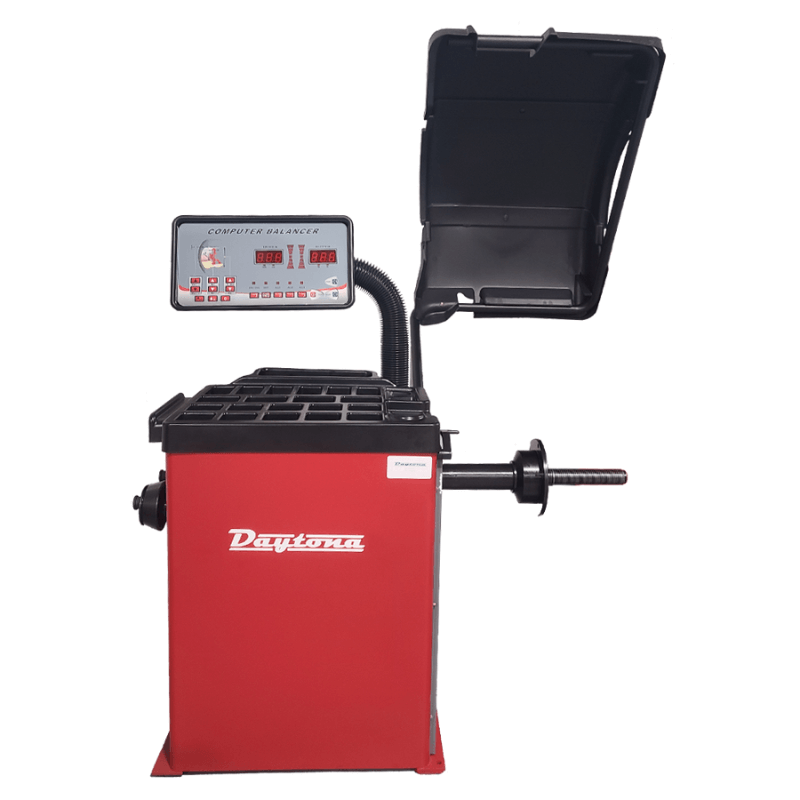


Wheel Balancers for Shops and Home Garages
A wheel balancer spins a mounted wheel and tire and measures where weight is uneven, then tells the technician exactly how much weight to add and where. Balanced wheels reduce vibration, prevent uneven tire wear and give a smoother ride. Car Lift Direct carries computerized wheel balancers from Atlas, Katool, Triumph, Tuxedo, Titan and Daytona, from affordable digital models for small shops and home garages to 3D laser balancers and heavy-duty truck wheel balancers.
How to Choose the Right Wheel Balancer
- Wheel size and weight: Check the maximum wheel diameter, width and weight on each product page. Larger balancers handle oversized truck, SUV and off-road wheels.
- Data entry: Basic balancers use manual measuring arms. 2D and 3D balancers like the Atlas WB49-2 measure distance and diameter automatically, which saves time and reduces mistakes.
- Weight placement: Laser-guided balancers like the Atlas Platinum PWB90XL point to the exact spot for each weight, especially useful for hidden stick-on weights on alloy wheels.
- Motorized vs. hand spin: Motorized balancers spin the wheel automatically and brake it at the correct position for weight placement.
- Truck and motorcycle wheels: Heavy-duty truck wheel balancers like the Atlas WBT-210, Tuxedo WB-448 and Katool KT-B795L handle large commercial wheels. Motorcycle balancers like the Daytona BL-630M are built for bike wheels.
Shop Wheel Balancers by Brand
Compare wheel balancers from Atlas, Katool, Triumph, Tuxedo, Titan and Daytona. Complete your tire bay with a tire changer, a tire changer and wheel balancer combo, or wheel service accessories like motorcycle adapters and assist arms.
Wheel Balancer FAQs
How much does a wheel balancer cost?
Wheel balancers on our site currently range from about $1,050 to $5,450. Most computerized balancers for cars and light trucks run about $1,050–$3,300. 3D, laser and video balancers and heavy-duty truck wheel balancers cost more. Financing is available through Approve and Shop Pay. Buying multiple machines for a commercial shop, dealership or fleet? Request a commercial quote.
What does a wheel balancer do?
A wheel balancer spins the wheel and tire assembly to find heavy spots, then shows where to add wheel weights so the assembly rotates evenly. This eliminates vibration at speed and helps tires wear evenly.
What is the difference between static and dynamic balancing?
Static balancing corrects up-and-down imbalance (a single heavy spot). Dynamic balancing also corrects side-to-side imbalance across the width of the wheel. Computerized wheel balancers measure both and calculate weights for the inner and outer planes.
Do I need a 2D or 3D wheel balancer?
A 2D balancer automatically measures distance and diameter. A 3D balancer also measures wheel width, so there's no manual data entry at all. 3D and laser models are faster and more accurate for alloy wheels and high-volume shops. A standard computerized balancer works well for most small shops and home garages.
Can I balance truck tires on a standard balancer?
Standard balancers handle passenger cars and many light-truck wheels within their listed size and weight limits. For semi, bus and other heavy commercial wheels, choose a heavy-duty truck wheel balancer.
What power does a wheel balancer need?
Many wheel balancers run on standard household power, while some larger and truck balancers need 220V. The required voltage is listed on each product page.
Do you offer financing?
Yes. We offer financing through Approve, and you can split eligible purchases into payments with Shop Pay at checkout.